
PRP vs Hair Transplant: Differences, Benefits & Treatment
Hair loss has a strange way of becoming noticeable all at once. One day it feels like a few extra strands in the comb, and then suddenly the scalp starts showing through old hairstyles. That is usually when people begin looking for treatments and end up comparing PRP vs hair transplant.
The confusing part is that both treatments are meant for hair restoration, but they do very different things. One tries to strengthen existing hair, while the other replaces hair that has already been lost. Understanding that difference makes the choice much less overwhelming.
Understanding PRP vs hair transplant in Simple Words
The conversation around PRP vs hair transplant often sounds like it is about choosing the better treatment. It really is not. It is more about choosing the treatment that matches the stage of hair loss.
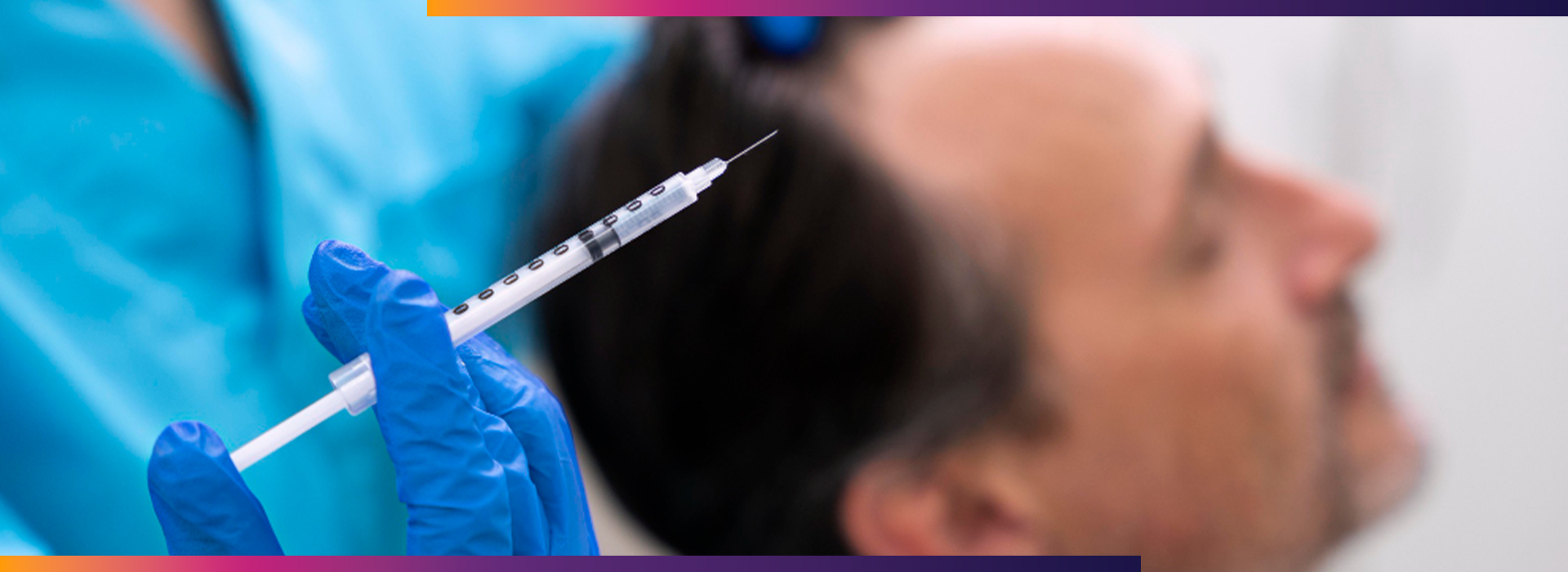
PRP hair treatment is a non-surgical procedure that uses a person’s own blood. The blood is processed to separate platelet-rich plasma, which is then injected into the scalp. The idea is to wake up weaker hair follicles and help them grow healthier hair.
A hair transplant works differently. Hair follicles are taken from an area where hair is still growing well, usually the back of the head, and moved to areas where hair has become thin or bald. It is a surgical procedure because those follicles are physically transplanted.
That is probably the biggest difference in PRP vs hair transplant.
When PRP Makes More Sense
There is a stage where hair has become thinner but has not completely disappeared. That is where PRP treatment for hair loss is often considered.
Instead of creating new follicles, PRP focuses on improving the health of the follicles that are already there. Many people notice less hair fall after a few sessions, and over time the hair may feel thicker and healthier.
It is worth remembering that PRP treatment results usually appear gradually. Hair grows slowly anyway, so expecting dramatic changes within a week often leads to disappointment.
At Dermiq, we explain this clearly before starting PRP hair treatment, because realistic expectations matter as much as the treatment itself.
When a Hair Transplant Becomes the Better Option
Some hair follicles stop growing hair completely. Once that happens, PRP cannot bring those follicles back.
A hair transplant is usually suggested when there are permanent bald patches or significant hair loss. Healthy follicles are relocated to those empty areas, and after healing, they begin growing hair naturally from their new location.
This is another important point while thinking about PRP vs hair transplant. A transplant adds hair where it no longer exists, while PRP supports hair that is still alive.
Many clinics even combine both treatments because transplanted hair also benefits from a healthy scalp.
What Happens During PRP Treatment?
The process sounds more complicated than it actually is. A small amount of blood is drawn from the arm. It goes into a centrifuge machine, which separates the platelet-rich plasma from the rest of the blood.
That concentrated plasma is then injected into areas where hair has become thin. The session usually does not take very long, and most people return to their daily routine the same day.
At Dermiq, we also offer GFC PRP Therapy, which is a more concentrated version of PRP that delivers a higher amount of growth factors for people who need a stronger approach.
What Happens During a Hair Transplant?
A hair transplant takes more time because it is a surgical procedure.
Hair follicles are carefully removed from the donor area and implanted into the areas where hair growth is missing. The transplanted follicles settle into the scalp over the next few weeks, and new hair growth usually begins after a few months.
Healing is part of the process, so patience is important here too. Hair often sheds before growing back, which surprises many people the first time they hear about it.
Comparing PRP vs hair transplant Side by Side
Looking at PRP vs hair transplant becomes easier when thinking about goals instead of procedures.
PRP is meant for early hair thinning, ongoing hair fall, and improving hair quality. It is non-surgical and involves little downtime.
A hair transplant is meant for permanent hair loss and visible bald areas. It is a surgical treatment with a recovery period, but it offers long-lasting coverage in areas where follicles are gone.
Neither treatment is automatically better. They solve different problems.
How Long Do the Results Last?
This is one question almost everyone asks.
PRP treatment results are not permanent after a single session. Hair follicles continue to age, and hormonal hair loss can continue too. Maintenance sessions are often recommended depending on the person’s condition.
Hair transplant results are generally long-lasting because transplanted follicles usually retain their resistance to hair loss. But that does not stop hair around the transplanted area from thinning over time.
That is one reason some doctors combine PRP treatment for hair loss with hair transplant procedures to support existing hair alongside transplanted follicles.
Is PRP Painful or Risky?
Because PRP hair treatment uses your own blood, serious reactions are uncommon. The scalp may feel sore for a day or two, and mild redness or swelling can happen around the injection sites.
Some people notice tenderness or slight itching after treatment. These effects are usually temporary.
Following aftercare instructions, staying hydrated, and avoiding smoking or alcohol for a few days can help the scalp recover comfortably after PRP treatment for hair loss.
Choosing the Right Treatment for Your Hair Stage
This is probably the part that matters most in PRP vs hair transplant.
If hair is becoming thinner but the follicles are still active, PRP may help strengthen and preserve that hair. If bald areas have stayed unchanged for years and follicles are no longer functioning, a transplant is usually the more suitable option.
The decision should come after examining the scalp, understanding the pattern of hair loss, and discussing expectations rather than choosing based only on cost or popularity.
Why We Focus on Personalized Hair Restoration at Dermiq
At Dermiq, we know that hair loss rarely looks the same for two people. We offer PRP hair treatment, advanced GFC PRP Therapy, and hair transplant procedures after evaluating the condition of the scalp and the stage of hair loss.
Whether someone needs PRP treatment for hair loss to strengthen existing follicles or is looking for the best hair transplant in Hyderabad, we believe the treatment should match the individual, not the trend. Our goal is natural-looking hair restoration with treatment plans that make sense for long-term results.
Final Thoughts on PRP vs hair transplant
The discussion around PRP vs hair transplant becomes much simpler once the purpose of each treatment is clear. PRP is about supporting and strengthening existing hair, while a hair transplant is about restoring hair where it has already been lost.
There is no universal winner between the two. The right option depends on how much hair loss has happened, whether the follicles are still active, and what kind of results are realistically possible. Taking time to understand that difference often leads to a better decision than rushing into any treatment.
FAQs
Is PRP hair treatment better than a hair transplant?
Not necessarily. PRP works better for thinning hair, while a hair transplant is generally meant for permanent bald areas.
How soon are PRP treatment results visible?
Most people start noticing changes over a few months because hair growth is naturally gradual.
Where can someone get the best hair transplant in Hyderabad?
At Dermiq, we provide both advanced PRP therapies and natural-looking hair transplant procedures after a detailed scalp evaluation.