
What Is a Keloid Scar? Causes, Symptoms, and Treatment Options
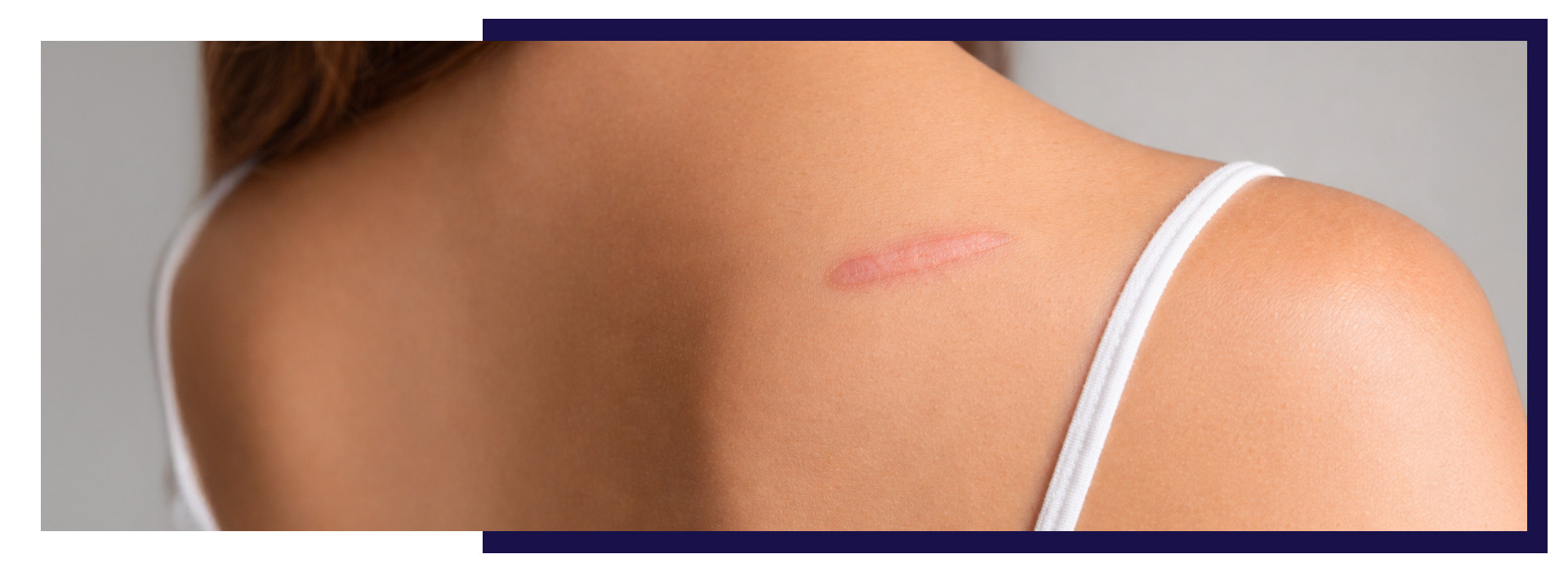
A scar is supposed to settle down once the skin repairs itself. Most of the time, it does exactly that. It heals, lightens, and slowly blends into the skin. But sometimes the body doesn’t get the message to stop healing. The skin keeps producing tissue, layer after layer, long after the wound has closed. That is usually when someone starts searching for what is a keloid scar and wondering why their skin looks different from everyone else’s. A keloid scar is not just a thicker scar. It is scar tissue that grows beyond the original injury. It may start small and then slowly expand, becoming firm, shiny, and sometimes darker than the surrounding skin. Unlike normal scars, it rarely fades on its own.
Why The Skin Overreacts In Some People
Keloids don’t happen because someone did something wrong. In most cases, the reason lies deeper, often in genetics. One of the strongest keloid scar causes is inherited skin behavior. If close family members form raised scars easily, the chances increase. The trigger itself can be minor. Acne, ear piercings, surgical cuts, burns, injections, or even small wounds can start the process. The injury heals, but the skin continues producing collagen as if the wound still exists. Hormonal changes and repeated irritation can push this response further.
Places On The Body Where Keloids Prefer To Form
Keloids don’t appear everywhere equally. Certain areas seem more prone. The chest, shoulders, upper back, jawline, and earlobes are common sites because these areas experience more tension during healing. A keloid scar on face is especially upsetting for many people. Facial scars draw attention, affect confidence, and are difficult to hide. Even acne marks on the face can lead to excessive scarring in people with sensitive healing responses.
How Keloids Feel Beyond What You See
Many people think keloids are only a cosmetic issue, but that’s not always true. These scars can itch constantly, feel tight or painful to touch. Other individuals might experience pain, especially when the scar is stretched or rubbed by clothing. Emotionally speaking, the presence of a scar can be hard to live with. People may avoid certain clothes, hairstyles, or social situations. This emotional weight is often what pushes people to finally seek keloid scar treatment.
Why Keloids Are Not The Same As Other Raised Scars
Confusion between scar types is very common. The comparison of hypertrophic scar vs keloid comes up frequently, but the difference matters more than people realize. A hypertrophic scar stays within the borders of the original wound. It may look thick and raised, but over time it often flattens. A keloid grows beyond the wound edges and usually keeps its size or increases. The difference between keloid and hypertrophic scar lies in growth pattern, long-term behavior, and treatment response.
Keloid And Hypertrophic Scar Healing Patterns
Although both involve excess collagen, keloid and hypertrophic scar healing processes are not identical. Hypertrophic scars represent an exaggerated but controlled healing phase. Keloids represent a loss of control in the healing process altogether. This is why treatments that work for hypertrophic scars may fail with keloids. Correct identification saves time, money, and frustration.
What Doctors Actually Do To Treat Keloids
There is no overnight solution. Effective keloid scar treatment usually involves multiple sessions and realistic expectations. Steroid injections are commonly used to reduce thickness, redness, and discomfort. Over time, they can soften the scar and slow further growth. Silicone gels or sheets may help regulate moisture and collagen activity when used consistently. Laser treatments can improve texture and color, especially for scars in visible areas. Results depend on consistency rather than speed. At Dermiq, we focus on long-term scar control rather than quick fixes, combining treatments thoughtfully based on how each patient’s skin responds over time. We believe consistent, guided care makes the biggest difference in visible and symptomatic improvement.
The Truth About Keloid Scar Removal
Many patients ask directly about keloid scar removal, hoping surgery will erase the scar completely. Surgery can reduce the size, but it comes with risk. The skin may respond to surgical trauma by forming another keloid, sometimes larger than the original. For this reason, removal is often combined with steroid injections or other therapies to reduce recurrence. Removal is usually considered only when symptoms are severe or movement is affected.
Small Habits That Help Prevent Worsening
Not every keloid can be prevented, but risk can be reduced. Avoiding unnecessary piercings, treating acne early, and protecting healing skin from sun exposure can make a difference. People who know they scar easily should always inform doctors before cosmetic or surgical procedures. Consistency matters. Stopping treatment early or skipping follow-ups often leads to poor outcomes.
Why Professional Guidance Makes A Difference
Keloids are unpredictable. Self-treatment and internet remedies rarely provide lasting improvement. A dermatologist evaluates scar type accurately and plans treatment based on long-term control rather than quick fixes. Choosing the right care provider matters. The best skin and hair clinic in Hyderabad offers experienced specialists, advanced treatments, and honest counselling. This approach reduces trial-and-error and protects skin health. At Dermiq, we see keloid treatment as a journey, not a one-time procedure. We guide patients with honest expectations, evidence-based options, and personalised plans that protect skin health while improving confidence.
Our Approach to Keloid and Hypertrophic Scar Treatment at Dermiq
At Dermiq, we believe that keloids and hypertrophic scars are not just skin issues but, rather, an experience that affects comfort and confidence, too. Instead, our approach is all about customized treatment plans, picking the right combination: corticosteroid injection, silicon treatment, laser treatment, and combination treatments, depending on skin type and behavior. Other than the speed at which to remove the problem, our goal is to achieve positive results with minimal itching, pain, and the possibility of recurrence, too.
Living With Better Control Over Your Skin
A keloid scar can feel stubborn and discouraging, but understanding it changes the experience. Knowing what is a keloid scar, recognizing triggers, and choosing informed treatment options gives control back to the patient. Where complete removal is not always possible, comfort, improvement, and confidence are realistic goals. Under regular care and with correct guidance, many people go ahead to learn the way of managing their scars without allowing them to define their lives.