
15 Foods for Glowing Skin: Key Nutrients for Skin Health
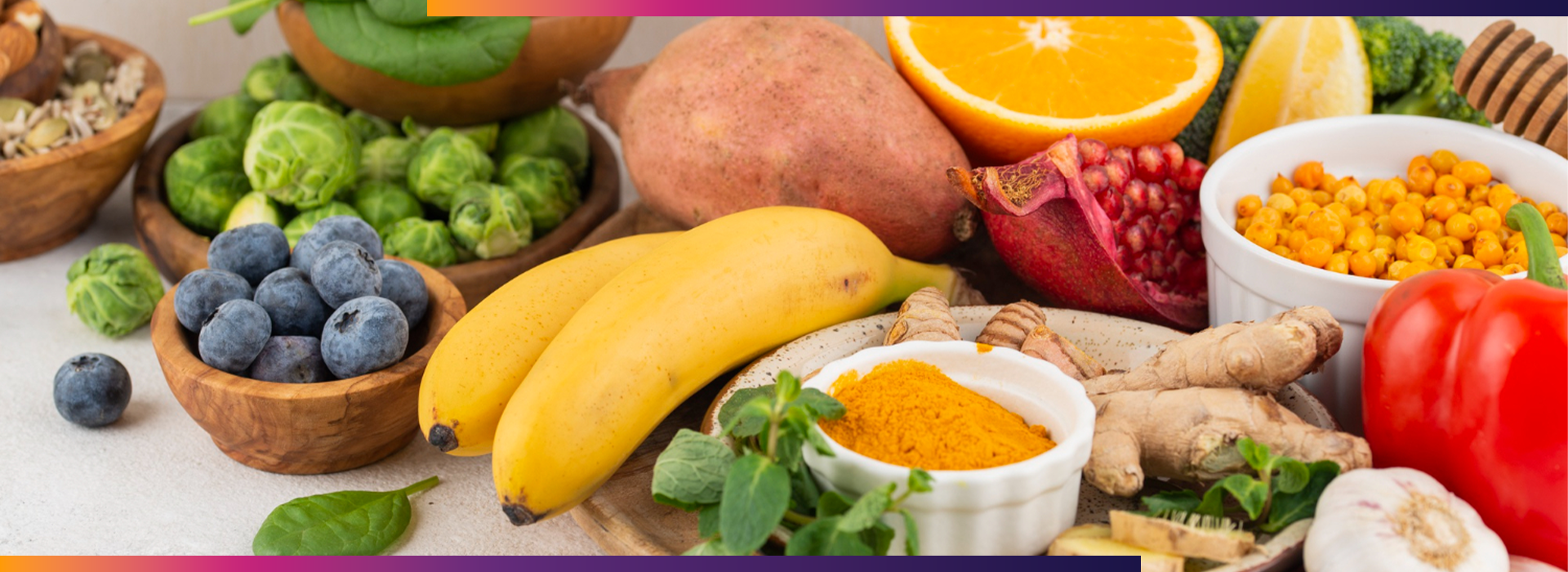
Skin often reflects more than what we apply on the outside. When breakouts become frequent, dryness lingers, or the skin starts looking dull, food is one of the first things many people begin to question.
The answer is not as simple as eating one “skin-friendly” food or cutting out an entire food group. Skin health is influenced by many factors, including genetics, hormones, stress, sleep, skincare habits, and overall nutrition. But everyday meals still matter because nutrients such as protein, healthy fats, vitamins, minerals, and antioxidants support normal skin function from within.
Instead of chasing miracle foods, it makes more sense to build a varied diet around foods that support overall nutrition. Here are 15 practical options that can fit into regular meals and contribute to healthier-looking skin over time.
1. Salmon
Salmon is one of those foods that comes up often for good reason. It contains omega-3 fats and protein, both of which have a useful place in a balanced diet.
For someone looking at foods for healthy skin, salmon can be a simple way to add healthy fats without making the meal complicated. Grilled, baked, or added to a salad works just fine.
2. Avocado
Avocado brings healthy fats and vitamin E to the table. It is also easy to add to normal food. Toast, salads, sandwiches, or even a simple bowl of rice can work.
It does not need to be eaten every day. The point is simply to include different sources of healthy fats through the week.
3. Sweet Potatoes
Sweet potatoes are rich in beta-carotene, which the body can convert into vitamin A. They are also quite filling, so they can make a meal feel more complete.
They are worth considering when thinking about foods for glowing skin, especially as part of a diet that includes plenty of vegetables and other whole foods.
4. Spinach
Spinach is not particularly exciting, but it is useful. It contains folate, vitamin C, beta-carotene, and other nutrients.
You can add it to dal, eggs, sandwiches, smoothies, or simply cook it with a little seasoning. There is no need to turn it into a complicated “detox” drink.
5. Eggs
Eggs are an easy source of protein and also provide nutrients such as selenium and vitamin B12.
For people trying to figure out the best foods for healthy skin, eggs can fit comfortably into breakfast or another meal. Again, overall diet matters more than any one food.
6. Oranges
Oranges are an easy source of vitamin C and add water to your diet. Vitamin C supports collagen production, which is important for normal skin structure.
And honestly, sometimes simple is better. An orange is still an orange. It does not need a fancy recipe to be useful.
7. Guava
Guava is another fruit worth keeping around. It is naturally rich in vitamin C and can be eaten as is, making it a convenient snack.
For anyone looking at foods for skin health, fruits such as guava can fit into a varied eating pattern. They are not a cure for acne, but they can certainly have a place on the plate.
8. Berries
Strawberries, blueberries, and other berries contain vitamin C and various plant compounds. Fresh or frozen, add them to yoghurt, oats, or eat them on their own.
You don’t need to buy expensive imported berries either. Local fruits can offer plenty of nutritional value too.
9. Tomatoes
Tomatoes bring vitamin C and lycopene. They are also one of those foods that can quietly become part of almost any meal.
Add them to a curry, salad, sandwich, or egg dish. When looking at foods for healthy skin, this kind of regular vegetable intake makes more sense than constantly searching for a special “skin food.”
10. Walnuts
Walnuts contain healthy fats, including plant-based omega-3 fatty acids. Add a small handful to breakfast or eat them as a snack.
They are quite calorie-dense, though, so a little can be enough. More is not automatically better.
11. Pumpkin Seeds
Pumpkin seeds provide zinc, magnesium, protein, and healthy fats. Sprinkle them over salads, oats, yoghurt, or eat them as a small snack.
Zinc supports many normal bodily processes, including immune function and wound healing, which is one reason nutrient variety matters when thinking about skin.
12. Chia Seeds
Chia seeds are tiny, but they provide fibre and plant-based omega-3 fats. You can mix them into yoghurt or oats, or soak them in water or milk to make a simple pudding.
As a food for glowing skin, chia seeds are better viewed as one small part of a balanced diet rather than something that will transform the skin on their own.
13. Oats
Oats are a particularly practical option. They provide fibre and can be a lower-glycemic choice compared with some highly processed breakfast foods. The American Academy of Dermatology notes that lower-glycemic eating patterns may help reduce acne for some people, though more research is still needed.
A bowl of oats with fruit and a few nuts can be a pretty simple breakfast.
14. Lentils
Lentils are affordable, filling, and provide protein and fibre. They are also easy to include in everyday Indian meals, which makes them more realistic than foods that only work in a very specific diet.
For foods for skin health, lentils are useful mainly because they fit into a balanced, nutrient-rich eating pattern.
15. Broccoli
Broccoli provides vitamin C, folate, fibre, and other plant nutrients. It can be steamed, roasted, stir-fried, or added to other dishes.
It does not have to become the star of every meal. Just having different vegetables regularly is a much easier approach.
Food Is Only One Part Of Skin Health
It is easy to put too much pressure on food when dealing with breakouts. Acne can also be connected with hormones, genetics, stress, skin-care habits, and other factors. Diet may play a role for some people, but it is not the whole story.
That is why foods for healthy skin should not become a reason to cut out half the kitchen. If a particular food seems to trigger breakouts repeatedly, it is better to notice the pattern and discuss it with a professional rather than making a long list of restrictions.
How We At Dermiq Look At Nutrition
At Dermiq, we look at nutrition as part of the bigger picture. Our dieticians and nutritionists, including Dt. Nousen and Dt. Swetha, work with people based on their individual lifestyle, food preferences, health concerns, and skin concerns. We focus on practical changes instead of fad diets and unnecessary restrictions. The idea is not to make food stressful. It is to understand what the body needs and find a way of eating that can actually fit into everyday life.
For someone looking for the best nutritionist in Hyderabad, this kind of personalised approach can be more useful than following a generic list of foods from the internet.
A Balanced Plate Usually Makes More Sense
At Dermiq, we also believe that favourite foods do not have to disappear completely. A few sensible changes, better meal balance, and more nutrient-rich foods can often be easier to follow than strict food rules.
This is especially relevant when thinking about foods for glowing skin. A plate with vegetables, a protein source, whole grains or another filling carbohydrate, and some healthy fat is a much more useful starting point than chasing one “superfood.”
Final Thoughts
There is no secret food that guarantees glowing skin. And honestly, that may be a good thing because it takes some of the pressure off.
Salmon, avocado, sweet potatoes, spinach, eggs, oranges, guava, berries, tomatoes, walnuts, pumpkin seeds, chia seeds, oats, lentils, and broccoli can all be part of a varied diet. These best foods for healthy skin may support overall nutrition, but they should not replace proper skin care or medical treatment when acne needs it.
The simpler approach is usually easier to live with: eat a good variety of foods, pay attention to how the body responds, and avoid turning skin health into a list of foods that are suddenly “allowed” or “forbidden.”